
1- Introduction to neural networks :
Artificial Neural Networks (ANNs) are computational models inspired by the human brain. They consist of interconnected nodes or neurons that process information. This
presentation explores the fundamentals and applications of ANNs, highlighting their
significance in various fields.
2- What are neural networks?
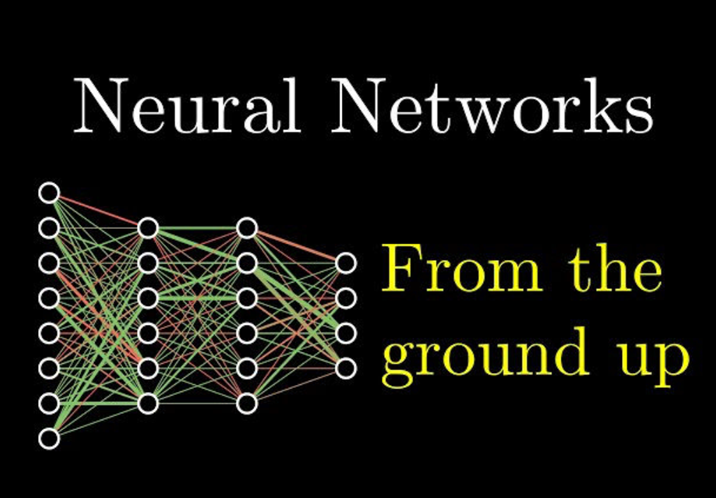
Neural networks are a subset of machine learning models designed to recognize
patterns. They learn from data through a process called training, adjusting weights and
biases to improve accuracy. Understanding their structure is crucial for leveraging their
capabilities.
3- Key components of anns :
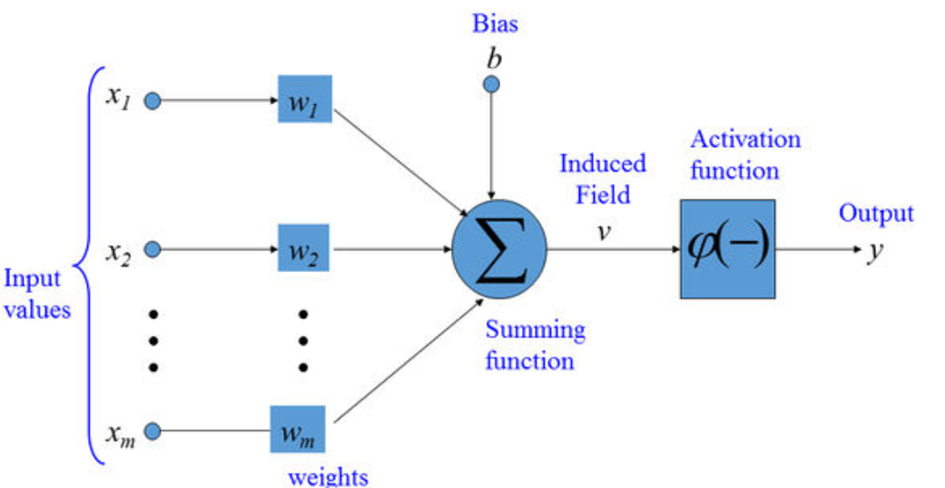
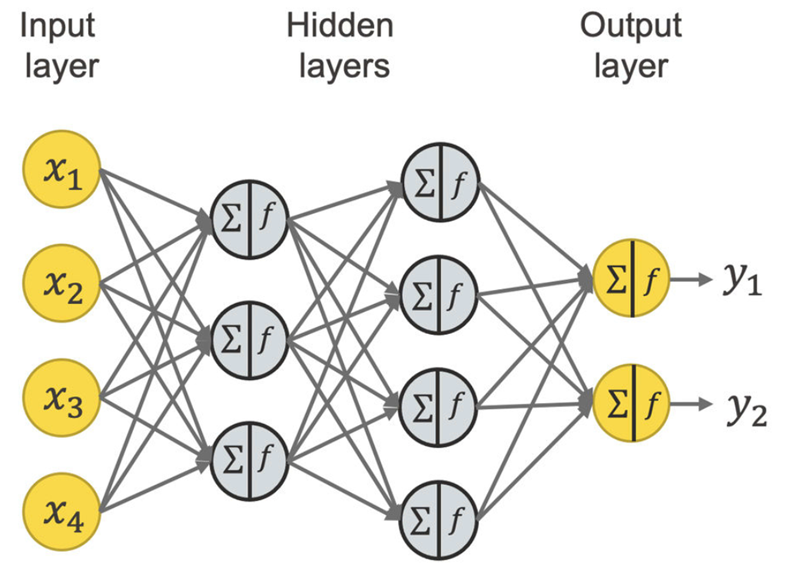
The fundamental components of ANNs include neurons, layers, and activation functions.
Neurons process inputs and produce outputs, while layers organize these neurons.
Activation functions introduce non-linearity, enabling networks to learn complex patterns.
4- Types of neural networks :
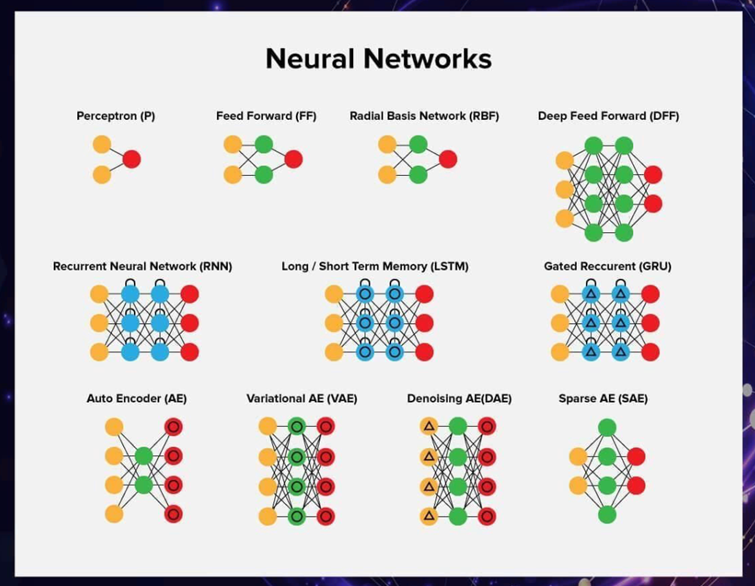
There are several types of neural networks, including feedforward, convolutional, and
recurrent networks. Each type serves different purposes, such as image recognition,
sequence prediction, and time-series analysis, showcasing the versatility of ANNs.
5- Training neural networks :
Training involves feeding data into the network and adjusting weights using algorithms like backpropagation. This process minimizes the loss function, improving the model's performance. Proper training is essential for achieving accurate predictions.
6- Activation functions explained :
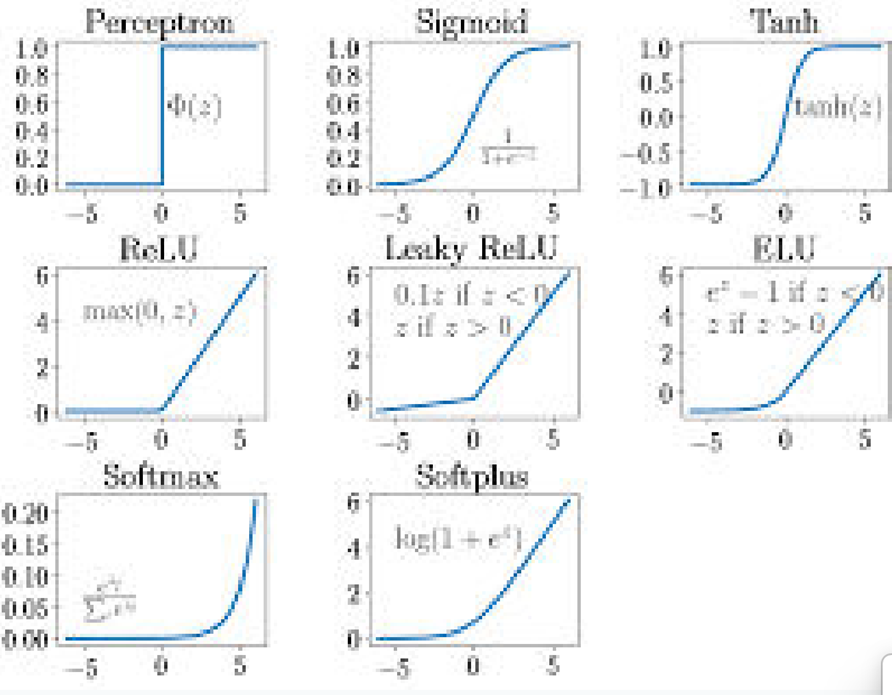
Activation functions, such as ReLU, sigmoid, and tanh, determine the output of neurons. They play a critical role in introducing nonlinearity, allowing networks to learn complex
relationships in the data. Choosing the right function is vital.
7- Applications in image recognition :
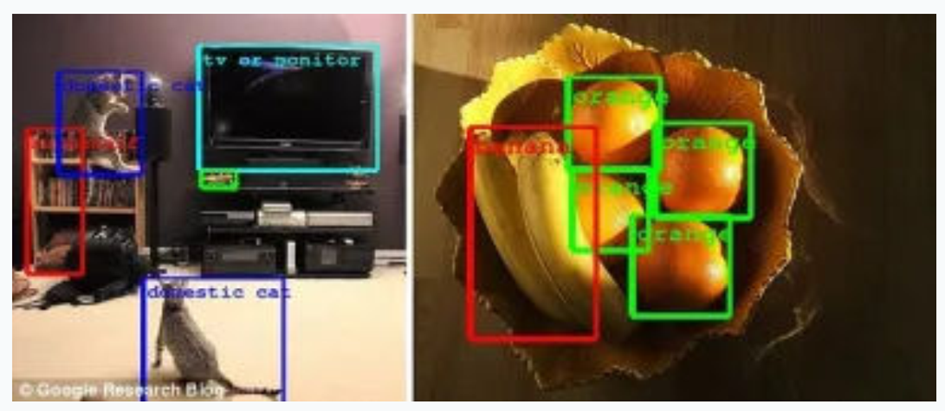
Neural networks are widely used in image recognition tasks, enabling applications like facial recognition, object detection, and medical image analysis. Their ability to learn from large datasets makes them invaluable in visual processing.
8- Natural language processing :
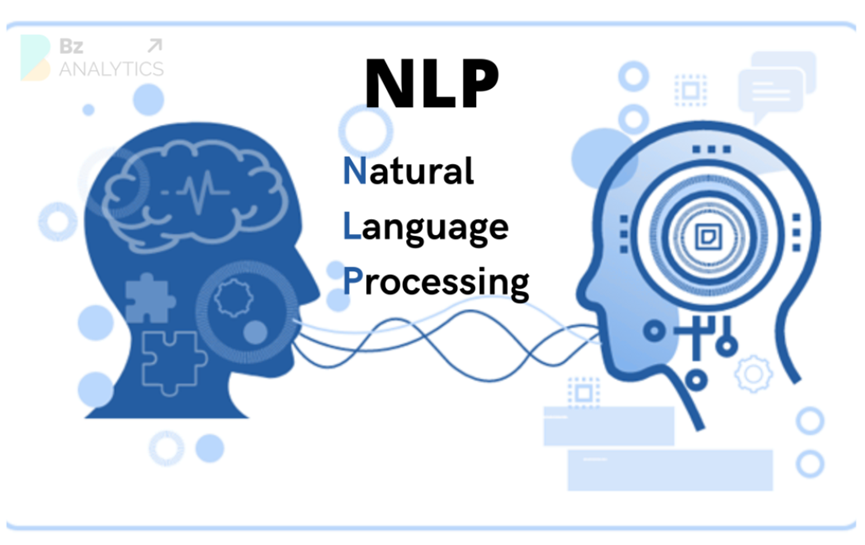
In Natural Language Processing (NLP), neural networks enhance tasks such as sentiment analysis, translation, and chatbots. They enable machines to understand and generate human language, significantly improving user interaction and comprehension.
9- Challenges in training :
Training neural networks poses challenges, including overfitting, underfitting, and the need for large datasets. Strategies like regularization and data augmentation are essential to overcome these challenges and ensure robust model performance.

Future trends in anns :
The future of ANNs includes advancements in deep learning, transfer learning, and explainable AI. These trends aim to enhance the capabilities of neural networks, making them more efficient and interpretable for realworld applications.